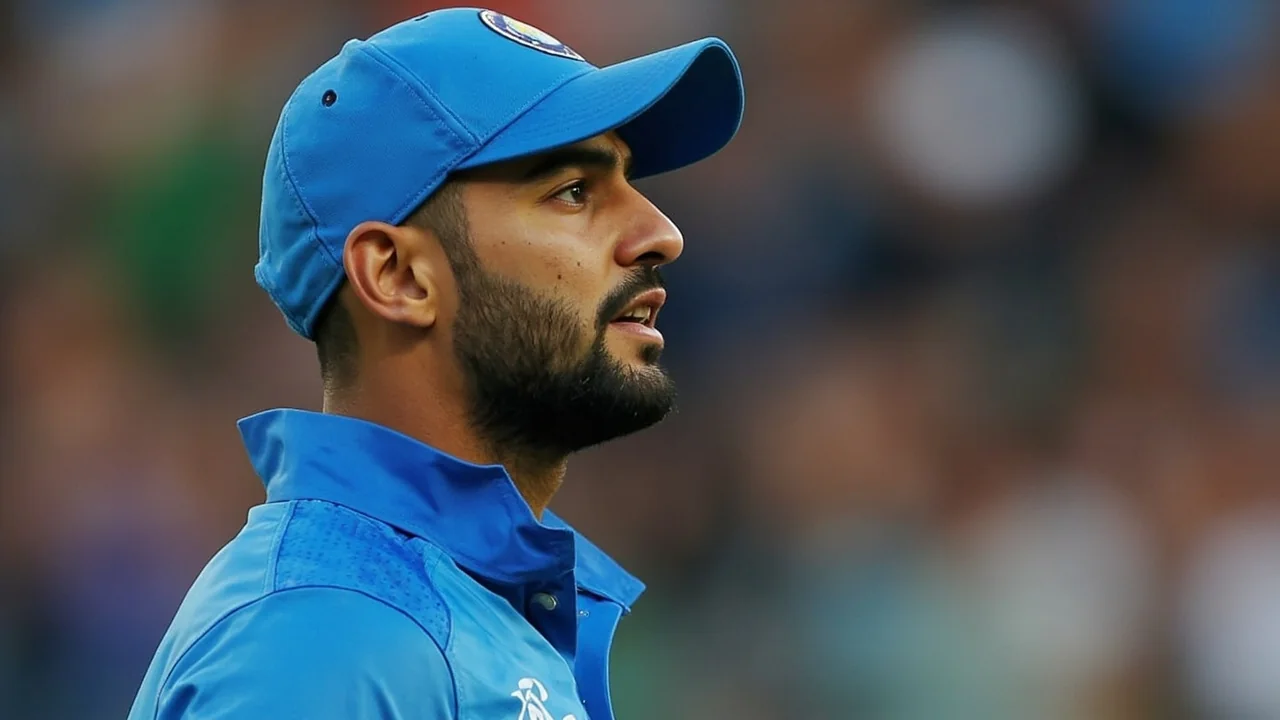
The Board of Control for Cricket in India confirmed two injury-enforced changes to India’s white-ball squads on the afternoon of 12 July 2026, the day after the five-match T20I series against England concluded. Fast bowler Prince Yadav replaces Harshit Rana in the ODI squad that takes on England, while leg-spinner Ravi Bishnoi is back in the T20I squad for the tour of Zimbabwe in place of Varun Chakaravarthy.
Both injured players will report to the BCCI Centre of Excellence for further assessment and rehabilitation. The two swaps arrive less than 24 hours after the England T20I series finished at Trent Bridge, and they are the first movement on either squad sheet since the original touring groups were announced.
What happened at Trent Bridge
Rana felt discomfort in his right hamstring during the closing overs of the third T20I against England at Trent Bridge. Scans taken after the game confirmed a Grade 1 strain, ruling him out of the upcoming ODI series. Chakaravarthy, bowling in the same innings, picked up a left-hamstring problem that an MRI later identified as a Grade 2 injury, ruling him out of the Zimbabwe leg.
The two diagnoses land in different weight classes. A Grade 1 strain typically keeps a pace bowler out for two to three weeks and responds to conservative rehabilitation. A Grade 2 strain pulls a longer absence out of the same window and adds an outside chance of recurrence if the bowler is rushed back to first-team cricket. Chakaravarthy’s recent fitness record, which already includes a return period following the T20 World Cup, sharpens the caution attached to the higher-grade injury.
The replacement call: Prince Yadav into the ODI group
Yadav’s path into the ODI squad runs through the recent T20I series against England and the IPL 2026 season with the Lucknow Super Giants. Selectors used parts of the T20I leg to assess his workload, command of pace and skill at the death, and his call-up for the 50-over group is the first formal reward.
The ODI squad now lists: Shubman Gill (captain), Rohit Sharma, Virat Kohli, Shreyas Iyer (vice-captain), KL Rahul (wicketkeeper), Ishan Kishan (wicketkeeper), Washington Sundar, Axar Patel, Shivam Dube, Kuldeep Yadav, Jasprit Bumrah, Prasidh Krishna, Arshdeep Singh, Gurnoor Brar and Prince Yadav.
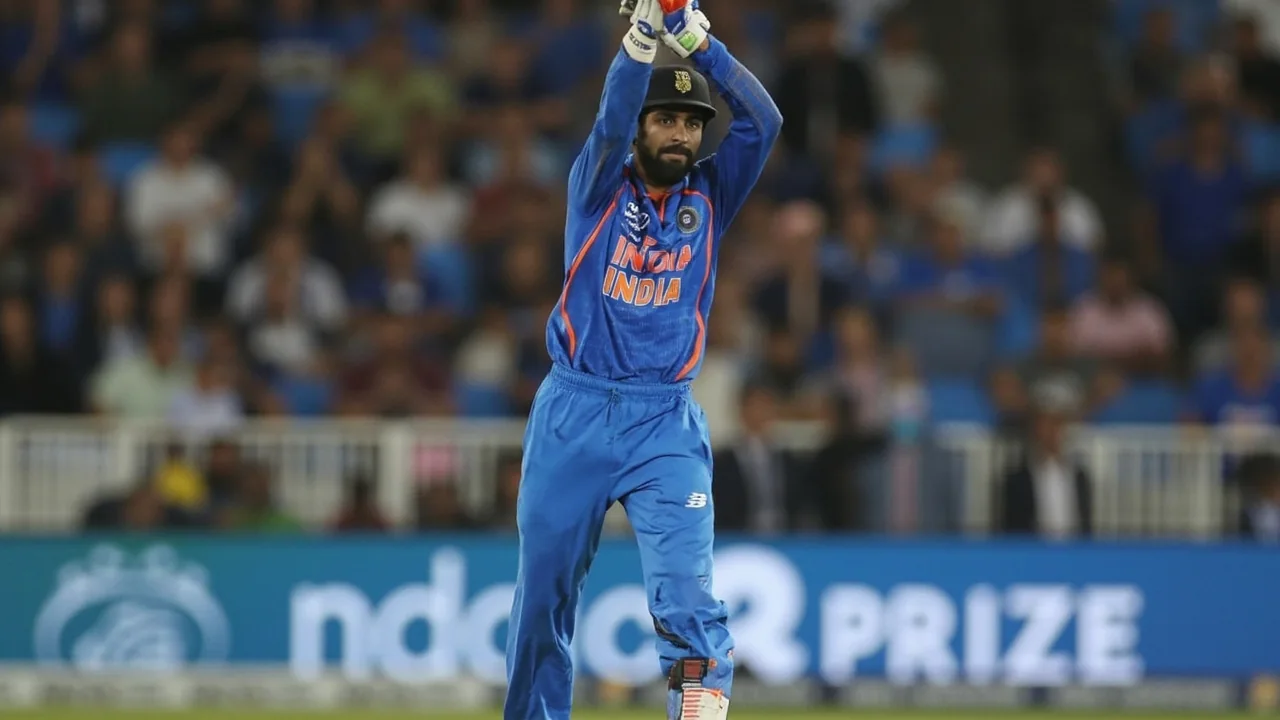
Yadav joins a pace unit that still has Bumrah, Prasidh Krishna and Arshdeep Singh on top, plus Gurnoor Brar for swing. The bench now reads deep rather than thin, which is the practical difference between a fifteen with three quicks and one with four.
There is also a reading-aid angle. An extra seamer lets India choose between an all-pace attack with two specialist spinners (Kuldeep Yadav and Washington Sundar) or a fourth-bowler combination built around part-time spin from Axar Patel or Sundar, depending on the surface England prepares for the ODI leg.
The replacement call: Ravi Bishnoi back into the T20I group
Chakaravarthy’s Grade 2 strain clears the lane for Bishnoi to return to a T20I squad for the first time since the home series earlier in the season. Bishnoi’s role inside the team is the specialist leg-spinner slot, a wicket-taking lane between powerplay and death if the surface offers grip. His recall also closes the loop on a bowling unit that named Chakaravarthy as the primary wrist-spin matchup against the England batters in the T20I series just concluded.
What the squad list tells the team sheet
Reading the two squads side by side makes the bench shape clear. The ODI group keeps Rohit Sharma and Virat Kohli inside the batting core, KL Rahul and Ishan Kishan sharing the gloves, and a five-strong pace pool built around Bumrah, Prasidh Krishna, Arshdeep Singh, Gurnoor Brar and the new arrival. The spin group stays at two: Kuldeep Yadav as the wrist-spin matchup and Axar Patel’s left-arm control, with Washington Sundar adding a batting seventh option if the surface allows. Shivam Dube is the part-time seam option that lets the captain keep the side long if the innings demands a sixth bowling choice late in the chase.
The T20I group tilts younger in the batting order. Abhishek Sharma and Vaibhav Sooryavanshi open the powerplay conversation; Tilak Varma and Shivam Dube handle the middle overs; Suryansh Shedge and Rinku Singh cover finishing duties; Ishan Kishan and Prabhsimran Singh share the keeper role. The pace unit offers four options in Mayank Yadav, Yash Thakur, Ashok Sharma and Prince Yadav, giving a captain the choice of one, two or three seamers depending on the surface at Harare Sports Club. Harsh Dubey adds a left-arm spin lane beside Bishnoi, which doubles the slow-bowling variety without changing the side’s batting shape.
From the England T20I series into the next assignment
The T20I series against England finished with India on the losing side. That is the only piece of context the two replacement cards feed into, because the selection discussions for both the ODI and T20I squads were already framed around seam-bowling depth and wrist-spin variety before Trent Bridge. The two injuries do not require a reset of those selection conversations; they require a small reallocation of the names that satisfy them.
For the ODI leg, the immediate question is whether India prefer three frontline seamers plus Kuldeep and Sundar, or four seamers plus Kuldeep and Axar. The new arrival tilts the second option open without forcing it. For the T20I leg, the practical question is whether Bishnoi and Ashok Sharma (or Yash Thakur) walk into the playing XI together or whether the captain keeps one spinner and three seamers. Both combinations were available in the squad from the start. The injury swap has not changed the menu.
The T20I squad is now: Shreyas Iyer (captain), Vaibhav Sooryavanshi, Abhishek Sharma, Tilak Varma (vice-captain), Ishan Kishan (wicketkeeper), Shivam Dube, Suryansh Shedge, Rinku Singh, Harsh Dubey, Prince Yadav, Yash Thakur, Ashok Sharma, Mayank Yadav, Prabhsimran Singh (wicketkeeper) and Ravi Bishnoi.
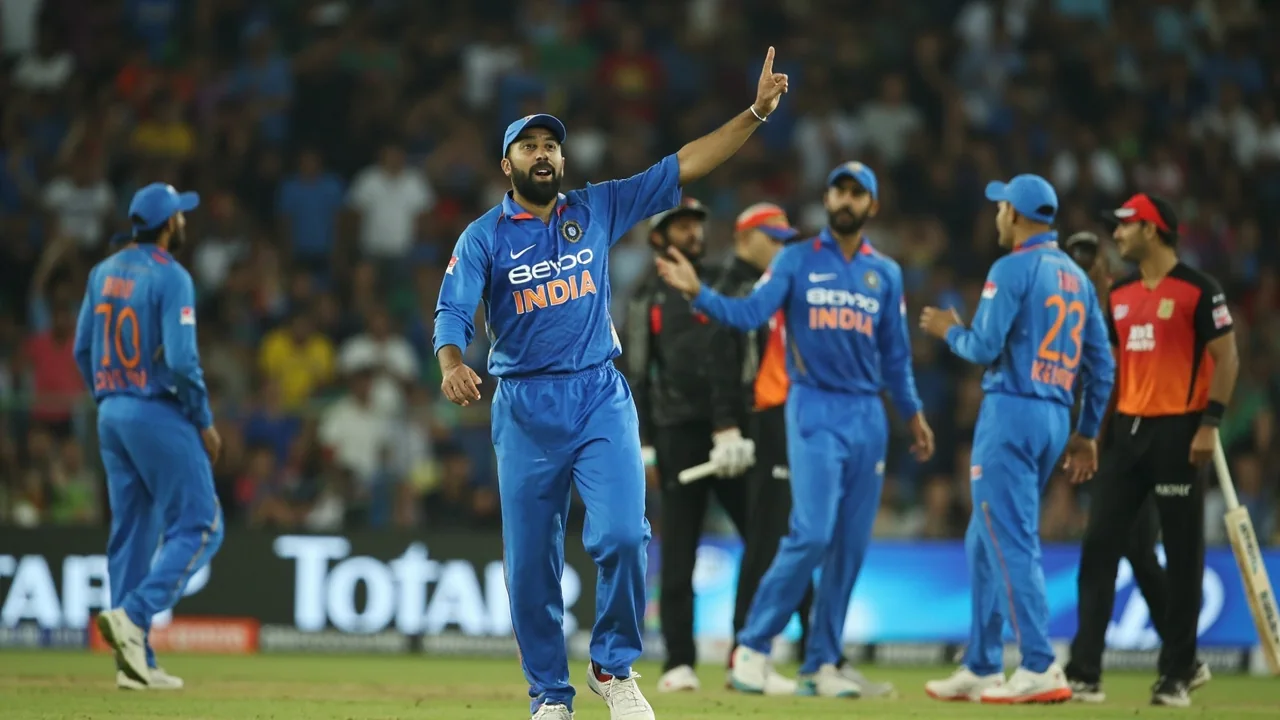
Even with Bishnoi inside, the squad still leaves selection open between one spin-heavy XI and two-spin combinations. Harsh Dubey offers a left-arm slow option, and the part-time spin of Dube or Sundar’s namesake in the ODI frame does not apply here because both are not in the T20I XV. Ashok Sharma’s inclusion is on the seam-bowling side rather than as a second spinner.
That is the practical shape of the injury swap. Bishnoi gives the captain back a specialist wicket-taking slow option; he does not turn the squad into a spin-bulk group. The batting depth and seam depth are unchanged from the original touring plan.
Why the timing matters
Selecting two replacements the day after a T20I series finishes is not unusual, but the convergence of two hamstring injuries in the same innings tightens the room available. India had already moved past the T20 World Cup with several seamers on managed workloads, and the Bench choices for both squads were always made with that backdrop in mind. Removing two bowlers from the bench in one stroke asks the selectors to reset only the seam and spin lanes, not the batting order or the leadership group.
For England, the ODI series opener at a venue to be confirmed is the next fixture of consequence. For Zimbabwe, the T20I series opens the same week. Both squads now have a slightly larger pool than the original announcement, and the slate is no longer a direct continuation of the playing-XI cards that closed out the England T20Is at Trent Bridge.
Reading the broader team-management picture
Both injuries trace back to the same match phase: the back end of an England T20I innings under lights, with a heavy ball, a long innings list and squad rotation already stretched across the tour. Harshit Rana’s Grade 1 strain is the more recoverable of the two; Chakaravarthy’s Grade 2 strain keeps him out for longer. Neither player is being asked to rush through return-to-play protocols. Both will go through the BCCI Centre of Excellence before any decision is taken on their next appearance.
Two later observations about the timing matter for the rest of July and August. First, India’s white-ball depth in pace bowling has just been tested by a real match-day workload, and the answer, Yadav’s call-up, was waiting in the squad system rather than sitting on the outside. Second, the spin question in T20Is is now resolved as a one-spot swap rather than a structural rethink. Neither result changes the shape of the touring plans. Both adjust the available pool inside them.
The two replacement cards announced on 12 July 2026 will not be the last movement on these squads if either rehab stalls. Selectors have left themselves room to bring in further cover if a third player reports tightness during the warm-up phase, and the BCCI press note that announced the changes confirms that the injured pair will remain at the Centre of Excellence for the duration of both tours.
Further squad briefings, including the next venue call for the ODI leg and a confirmed XI for the first Zimbabwe T20I, will be carried through the cricket news wire as soon as both boards publish them.