
India started the new ODI cycle against Afghanistan with a controlled win in the opening fixture, paced by an unbroken hand from Shubman Gill and shaped by the captaincy cameo that ended with Rohit Sharma walking back run-out. The result in the early hours of the chase gave the bowling group a target worth defending, and the side held its nerve through the middle overs to close the match out by a clear margin.
For most of the run chase the Indian innings had the air of a settled chase. Yashasvi Jaiswal and Rohit Sharma negotiated the new ball, picking off the loose deliveries and turning down the scoring options Afghanistan's seamers offered in the first ten. The platform they built, while not explosive, was measured: each over asked a small question and each over produced a small answer.
Rohit's dismissal changed the mood of the evening without changing the result. Pushed back by direct hit at the striker's end, the Indian captain was caught just short of his ground — a mode of dismissal that, on this tour, has historically been the cheapest way to lose a set batter in the powerplay. A quick single that should never have been attempted turned into a moment the bowler's end reviewed, the third umpire ruled decisively, and a 50-plus stand was broken in the same delivery.
In came Shubman Gill, who had been waiting since the toss for a long turn at the crease. The young opener's response was uncomplicated: a calm head, a still base, and a willingness to wait for the ball that deserved the boundary. With the asking rate under control, Gill never had to swing against the turn of the innings and instead worked the gaps. By the time the innings closed in the 35th over, Gill had carried his bat through the chase for an unbeaten 84, a knock that did more than any other single contribution to settle the chase.
The other talking point from the win was the spin pair. India's white-ball set-up has spent the last two years searching for an attacking left-arm option to lead the middle overs, and on this evidence the search has produced two real answers. Gurnoor Brar and Harsh Dubey — both left-arm spinners, both coming off strong domestic seasons — were given the ball in the 11th to 30th-over window, and they used it well.
Brar was the first to be introduced in the powerplay-3 phase. He bowled a tidy, hitting-the-deck length that the Afghan batters did not have a clean answer for: the odd one gripped, the odd one stopped on them, and the scoring rate through his first three overs barely crawled above four. His first ODI wicket came in his second over — a flighted delivery that induced the batter to reach for the turn and top-edge a simple catch to short third — and from that moment the Afghan middle order had to respect the option.
Harsh Dubey's spell told a different story. Introduced later, in the 25th over with the partnership beginning to threaten, Dubey's natural variation in pace — slower, then quicker, then slower again — broke the rhythm of the set batter. The ball that did the damage was a quicker one into the surface that skidded on with the arm, beating a shuffle across the line and rattling the stumps. It was the kind of wicket that captain and coach had asked of him through the domestic season: not turn, but pace variation, accuracy and the temperament to bowl to a field that defends the boundary.
Together, the two left-arm spinners finished their combined quota with economical figures, picking up a wicket each and forcing the batters to milk singles rather than find boundaries. In the modern white-ball game, that is precisely what a fifth-bowler role is meant to do: take wickets in clusters, slow the run rate, and let the captain dictate the timing of the second new ball. On this evidence, the team has at last found two spinners who can each run that role for a full ten-over quota.
There is a small note of caution attached to the otherwise cheerful evening. India's fielding, the one department that has been publicly critiqued through the last six months of bilateral cricket, was uncharacteristically sloppy at the start of the Afghan innings. Two straightforward catching chances went down in the first ten overs, both to fielders inside the circle. Neither miss changed the result of the match — the batters in question made little thereafter — but the headline was a familiar one for the coaching staff, who had publicly stated before the tour that dropped catches in the powerplay were the leading cause of the team's middle-over scoring pressure.
For Afghanistan, the tour opener was a learning fixture in two clear halves. The batting in the first ten overs was brisk and confident, with the openers using the field restrictions well and putting away anything over-pitched. From the 11th over onwards, though, the scoring options dried up: the spinners squeezed the pace of the innings, the captain rotated his bowlers efficiently, and the batters were forced to take risks against a set field. Two wickets in the back end of the chase effectively ended the contest.
From a longer view, the fixture was most useful for what it told the think-tank about the squad depth going into the year ahead. With senior players being rotated and the World Cup cycle still eighteen months out, every bilateral series is being treated as an audition for the next round of selection. The 1st ODI handed the selectors three separate signals: Gill's batting at No. 3 is close to locked in, Rohit's role at the top of the order remains intact despite the run-out, and the left-arm spin pool has at last gone from a question mark to a small list of options.
What changes in the second ODI? Most likely the captain will resist the urge to tinker. The team that held the chase together does not need a reshuffle; it needs confirmation. Gill, having carried his bat, will go in with a steadier head than he came in with, and the rest of the side will know that the bowlers held the leverage through the middle overs. The single most likely adjustment is a swap in the seam-bowling unit — fresh legs and a look at the reserve quick — rather than any change in the spin picture.
Looking further ahead, the next fixture in the cycle is the third ODI later in the week, after which the team moves into the T20I leg of the tour. That T20I series carries its own selection argument — most pointedly about who fills the finisher's slot — but those questions will be answered on their own evidence. For now, the read from the opener is simple: India won a controlled match, the captain took one risk that didn't pay, and two new-ish spinners told the selectors what they came to tell. The rest, as the head coach is fond of saying, takes care of itself.
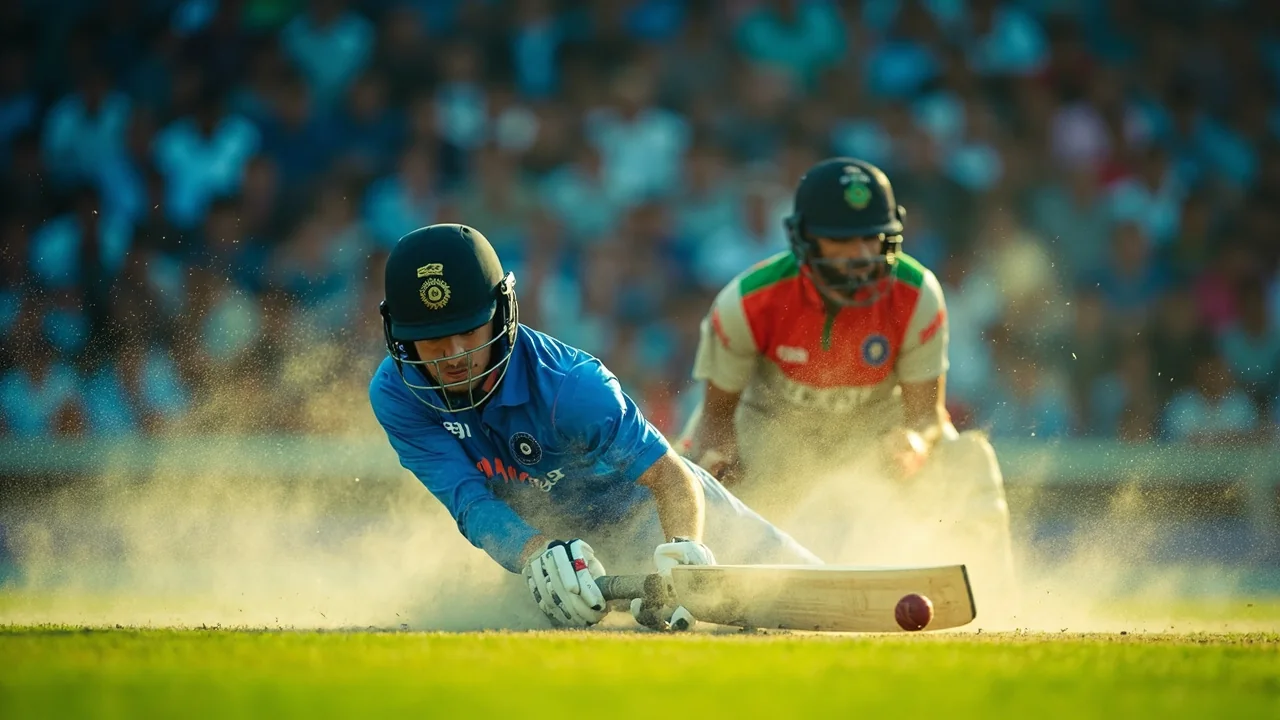
The captain's run-out deserves a second look for what it revealed about the field placement Afghanistan had chosen. Afghanistan's captain had set a fairly attacking ring inside the circle, with fielders at catching positions and only one boundary rider on each side. The single that ended the Indian captain's innings was a nudge into the leg side off a delivery that was neither full nor short — a shot that invited a direct hit because the man at backward square was standing exactly where a set batter would expect him to be standing.
Run-outs in white-ball cricket are almost always the joint product of a keen piece of fielding and a percentage call that does not quite work. The call in question came from the non-striker, who perhaps judged the fielder's throw late. Either way the outcome stands: a set batter back in the dug-out, a new batter in, and a check on the scoring rate that lasted exactly the next over before Gill released the pressure with a clean drive through extra cover.
There is also a small but real sub-plot around how the team reacted to the dismissal. There was no public reproof, no visible debate between the batters, no over-reaction. The body language in the middle stayed measured, and the team-mate who was involved in the call continued to play his shots. That kind of silent professionalism is, on the road and on tour, more important than the wicket itself. It tells the rest of the dressing room that one mid-pitch misjudgement does not become a story — and that the next over is the only over that matters.
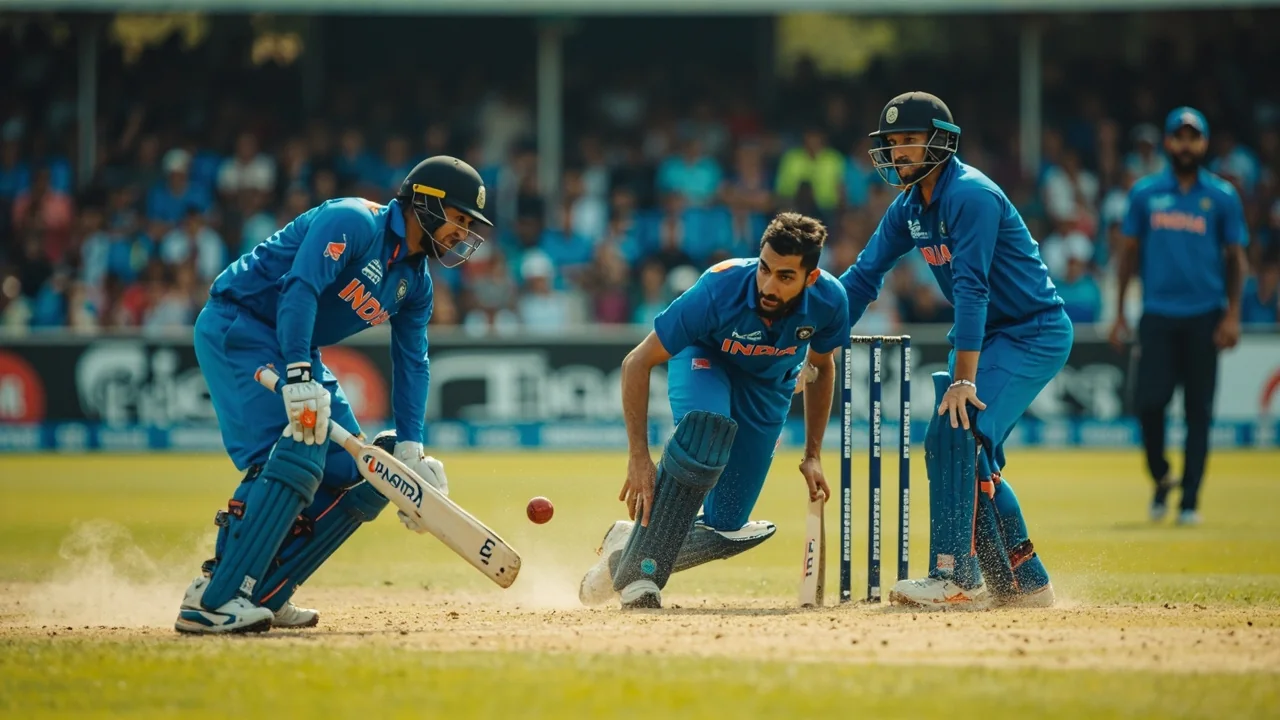
On the bowling side, the most useful data point was the comparison between the two left-arm spinners' spells. Brar's path was classical: flight, off-stump line, lots of batsmen beaten on the inside edge, first-over wicket. Dubey's path was the modern alternative: pace off, quicker variation, accuracy to a catching field. The selectors will likely pick the second approach over the first for the long-form format — but both approaches were visibly effective, and the competition between the two spinners is the kind of internal contest the team has wanted for two years.
All told, the opening fixture of the ODI leg gives India three things the think-tank was after. A controlled win to start the tour, a meaningful contribution from a batter who is being groomed to bat three in the next World Cup cycle, and a working fifth-bowler option that does not need to be invented on tour. The arguments that remain are around the fielding errors and around what to do when the batters return from injury in the next round of fixtures. Those questions belong to the second ODI, and the answers will come from its evidence.
For readers tracking the tour, the obvious next beat is the second ODI later in the week. By then Gill will have a clearer read on how Afghanistan's captain adjusts — does he bowl his spinners earlier, does he push his field deeper to take away the boundary option, does he risk the match-up against the new ball? Each of those calls is a small bet with a large payoff if it lands. The opener was a controlled win; the second match will tell the squad whether the controls are real or merely flattering. Continued coverage, captain-pick implications and the second-match preview are collected under the cricket news desk.