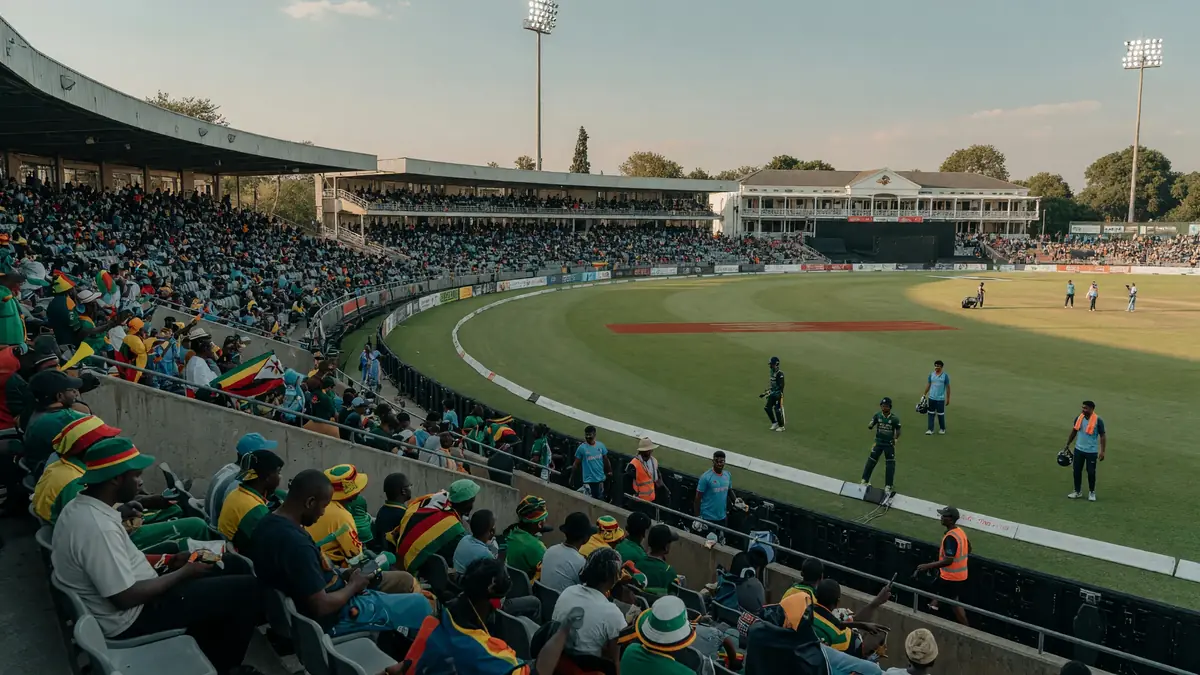
Thursday’s first T20I in Harare is the cleanest planning problem Indian cricket followers have had in weeks: one venue, one start time repeated across the series, and two fixed rights homes. The opener begins at 4:30 PM IST at Harare Sports Club, with the remaining two internationals locked to the same ground on Saturday 25 July and Sunday 26 July, each again at 4:30 PM IST.
Unite8 Sports holds the television feed in India. FanCode carries the live stream on its app and website for all three matches. There is no mid-series rights switch to track, which means a single login path or channel map covers the full window if that is how you watch white-ball cricket.
The sporting backdrop is less tidy. India have not won a T20I since lifting the T20 World Cup in March. Six consecutive defeats followed — a 2–0 reverse against Ireland and a 4–0 loss in England among them — and Shreyas Iyer remains captain through both bilateral series since his appointment, with Tilak Varma named vice-captain for Zimbabwe.
A four-day window, not a multi-city tour
Boards sometimes stretch bilateral T20 legs across venues and recovery days. This one does the opposite. All three fixtures sit inside four calendar days in the Zimbabwean capital, which compresses preparation, reduces travel noise and puts selection choices under a sharper spotlight. Pitch familiarity becomes an asset rather than a daily reset.
For viewers, the compression is convenient. The evening slot stays constant. Pre-match graphics, toss coverage and final XIs should land in a familiar half-hour band before first ball on Indian rights feeds. If you are building a routine around work or study, the practical stack is simple: confirm access before 4:00 PM IST, watch the toss board, then treat any earlier “predicted eleven” as provisional.
| Date | Match | Venue | Start (IST) |
|---|---|---|---|
| Thu, 23 Jul 2026 | 1st T20I | Harare Sports Club | 4:30 PM |
| Sat, 25 Jul 2026 | 2nd T20I | Harare Sports Club | 4:30 PM |
| Sun, 26 Jul 2026 | 3rd T20I | Harare Sports Club | 4:30 PM |
Saturday and Sunday sit back-to-back after a single rest day following the opener. Sides that settle a first XI early usually handle that rhythm better than groups that rotate heavily between game two and game three. That detail matters more for India here than it would on a leisurely home summer schedule, because several roles in the touring party are still open contests rather than locked World Cup slots.
Where Indian audiences can watch every ball
Television viewers should map Unite8 Sports inside their usual distribution package before Thursday afternoon rather than during the toss. Streaming viewers can stay inside FanCode on mobile or desktop; the same rights holder covers the entire series, so there is no need to juggle a second OTT login midweek.
Neither platform has announced a public change to this three-match window. That stability is the useful editorial fact for planning. What remains match-day only is the final playing XI from each captain, plus any late weather note from the ground. Dew, cloud cover and surface colour will still be confirmed closer to the first ball rather than in a preview desk’s overnight brief.
If you follow the series across devices, keep one path primary. Jumping between a television feed and a phone stream is fine for highlights, but rights packages sometimes stagger graphics packages and ball-tracking overlays. A single home screen for the full innings is cleaner when the result itself is the point of the night.
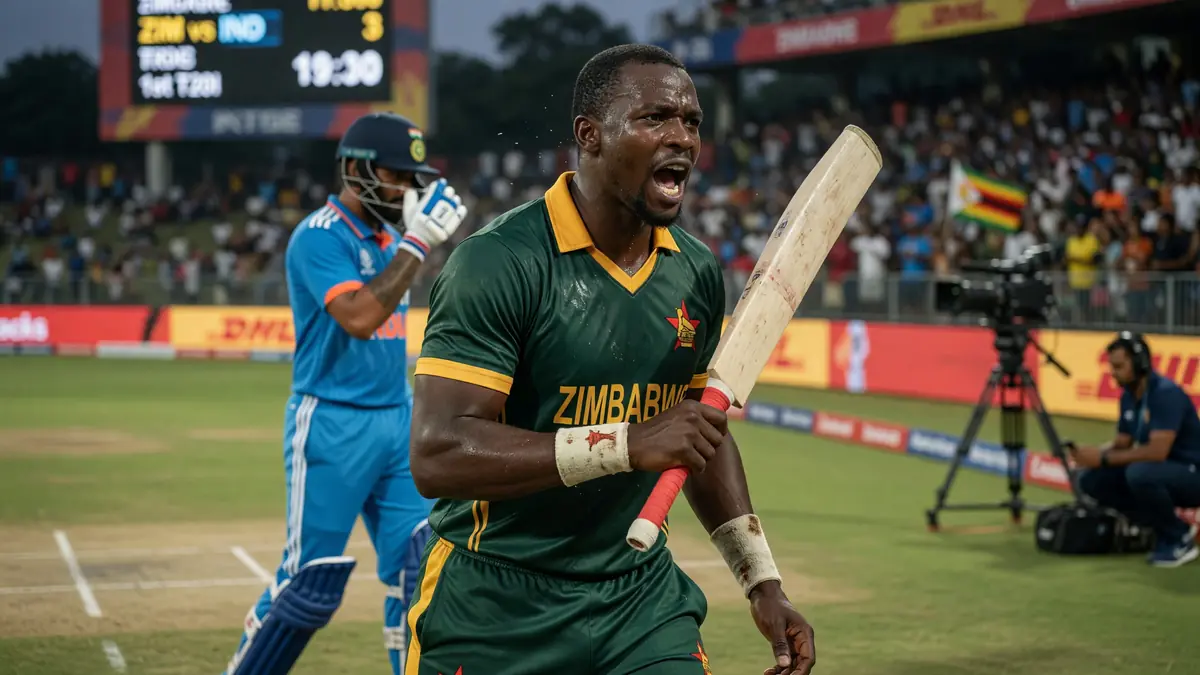
What Iyer’s touring party is actually built to test
The BCCI’s list is a rotation document, not a frozen champion core. Sanju Samson has been rested. Vaibhav Sooryavanshi returns after missing the final England T20I. Ishan Kishan and Prabhsimran Singh share the wicketkeeping pool. Abhishek Sharma, Shivam Dube, Rinku Singh and Suryansh Shedge cover middle-order strike and finishing roles, while Harsh Dubey adds spin-bowling all-round depth.
One forced bowling change landed before the series even began. Ravi Bishnoi replaced Varun Chakaravarthy after a hamstring injury from the England tour ruled Chakaravarthy out. Pace depth includes Mayank Yadav, back in the frame for the first time since late 2024, plus maiden call-ups for Yash Thakur and Ashok Sharma. Prince Yadav is also in the group.
Named India T20I squad for the series: Shreyas Iyer (captain), Tilak Varma (vice-captain), Vaibhav Sooryavanshi, Abhishek Sharma, Ishan Kishan (wk), Prabhsimran Singh (wk), Shivam Dube, Suryansh Shedge, Rinku Singh, Harsh Dubey, Ravi Bishnoi, Prince Yadav, Yash Thakur, Ashok Sharma, Mayank Yadav.
Three selection questions sit above the rest for Thursday. First, who opens beside the designated powerplay aggressor — Sooryavanshi’s recall puts him back in that conversation immediately. Second, which keeper bats high enough to free a middle-order slot for an extra bowler or finisher. Third, how many pure quicks India want on a Harare surface that can reward both skiddy seam and wrist-spin once the ball softens under lights.
Rinku Singh’s return is the softest landing for a finishing role that never fully settled through the losing run. Mayank Yadav’s pace, when fully available, changes the length of the death overs; the live question is workload across three matches in four days, not whether he belongs in the wider pool. Debut watches for Thakur, Ashok Sharma, and potentially Harsh Dubey or Prabhsimran Singh, will track the same XI sheet rather than separate announcement cycles.
Zimbabwe’s home brief under Sikandar Raza
Zimbabwe name a settled 15 under Sikandar Raza, drawing on players who know Harare Sports Club after a home T20I series against Bangladesh earlier in the month. Blessing Muzarabani and Richard Ngarava lead the new-ball threat. Brian Bennett, Ryan Burl, Clive Madande and the broader core give Raza batting depth and local knowledge that touring sides sometimes under-price on slower, used surfaces.
Named Zimbabwe T20I squad: Sikandar Raza (captain), Brian Bennett, Ryan Burl, Ben Curran, Brad Evans, Clive Madande (wk), Tinotenda Maposa, Tadiwanashe Marumani, Wellington Masakadza, Tashinga Musekiwa, Blessing Muzarabani, Dion Myers, Richard Ngarava, Newman Nyamhuri, Milton Shumba.
Raza’s side have not won a bilateral T20I series against India. That ledger still sits against them even when the visitors arrive cold. Home conditions and a recent series against Bangladesh, though, mean Thursday is unlikely to be treated as a ceremonial fixture in the home dressing room. Expect early short balls into the body if India’s left-handers dominate the top six, and expect Burl’s leg-spin or the left-arm options to appear as soon as the powerplay ends if the pitch offers grip.
For India, the danger is less a single Zimbabwe match-winner than a slow start that lets a modest home total become defendable. For Zimbabwe, the opportunity is the opposite: early wickets against a side still hunting timing after the England tour, then enough middle-order composure to force Iyer’s attack into a first-game guessing game.
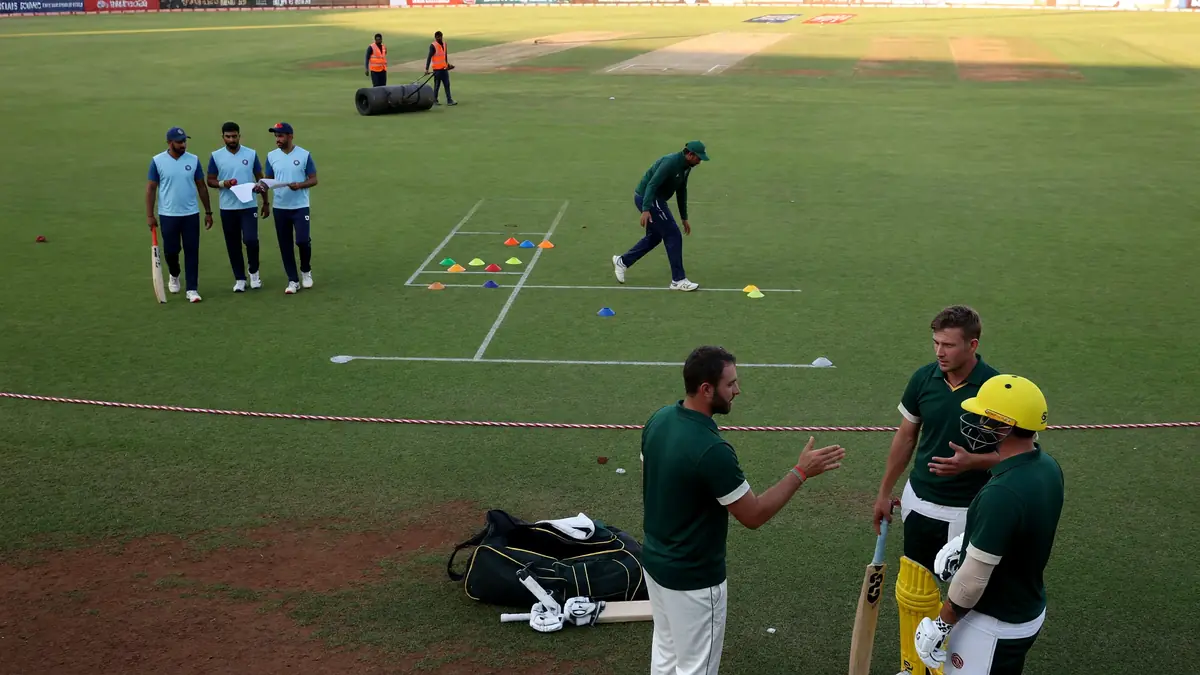
Why a “quiet” bilateral still moves the table
On a broadcast grid this can look like a low-stakes tour stop. Inside the Indian white-ball programme it sits differently. Ranking points shifted after the Ireland and England results, a BCCI review followed the slide from the world No. 1 position, and Iyer’s captaincy ledger since appointment is two series without a win. A clean start in Harare would not rewrite that ledger on its own, but it would stop the sequence that has defined the side’s T20 story since March.
There is also a longer calendar note attached to the year. Ranking points feed into qualification pathways that include the Los Angeles 2028 Olympic cycle. Bilateral matches that look quiet on a Thursday evening schedule can still move the table that selectors and administrators watch between major events. That does not turn every over into a crisis. It does mean a 3–0 or 2–1 series scoreline is not disposable paperwork for either board.
None of that requires inflated language about destiny. The verifiable pressure is simpler: India need a first T20I win in four months, Zimbabwe want a first bilateral T20I series win against India, and both groups have three nights in the same city to force the issue.
How to read the first hour on Thursday
The useful checkpoints are narrow. Toss: if the surface looks dry and used, chasing under lights may be preferred, but Harare can still reward a side that posts a competitive total when dew is light. Powerplay: India’s left-right combinations against Muzarabani and Ngarava will show whether the visitors are still hunting timing. Middle overs: Bishnoi’s leg-spin and Harsh Dubey’s left-arm option are the clearest routes to squeeze a Zimbabwe middle order that likes to hit through the line.
Field placements in the first six overs will also tell you how seriously India rate the home openers. Two slips and a catching midwicket signal attack; a ring heavy on the drive and cut suggests damage limitation after the Ireland and England slides. Neither approach is “correct” in the abstract — the surface and the first two overs decide which one looks smart.
For Indian readers planning the evening, keep the operational list short. Confirm the Unite8 Sports channel map or FanCode login before 4:00 PM IST. Watch the toss graphic for the final XI. Ignore confident social-media elevens posted before both captains have handed in cards. Series threads beyond the opener — second-match adjustments, debut watches, and how Rinku is used in the death overs — will sit with the wider cricket news desk as the Harare leg unfolds.
What comes immediately after the opener
Saturday’s second T20I, again at 4:30 PM IST at Harare Sports Club, is the first place to test whether Thursday’s combination was a one-off or a template. A heavy rotation after a win would signal experimentation. An unchanged side after a loss would signal a search for continuity under pressure. Either reading is more useful than pre-series speculation about “intent.”
Sunday’s decider or dead rubber, depending on the first two results, closes the pocket at the same venue and start time. That is the entire confirmed series shape: three fixed evenings, one ground, two stable Indian broadcast homes, and two named squads. Playing XIs, toss decisions and any late fitness notes remain match-day facts.
From a viewer’s seat the series is easy to plan. The harder work sits with Iyer’s group on the field — converting a rotated list into a first win since March without treating Zimbabwe as a formality — and with Raza’s side in proving that home knowledge can stretch a bilateral that history still has India winning.
Until the toss board flips on Thursday, the only confirmed facts that matter for planning remain the venue, the 4:30 PM IST start, Unite8 Sports and FanCode as the Indian rights homes, and the squads both boards have already published.