
Manchester Super Giants are scheduled to meet Welsh Fire in Match 21 of The Hundred Men’s Competition 2026 at Emirates Old Trafford on Wednesday, 5 August. First ball is listed for 3:00 PM local time, 2:00 PM GMT and 7:30 PM IST. The fixture places one of the competition’s form teams against a Manchester side trying to stop a three-match slide.
Welsh Fire hold second place with 16 points after winning four of their first five matches under Phil Salt. Their latest result was a six-wicket victory over Southern Brave. Manchester have eight points from four matches and sit fifth after defeats to SunRisers Leeds, Trent Rockets and MI London. That contrast gives the afternoon a clear competitive edge: Welsh Fire can reinforce their position near the top, while Manchester need an immediate response before the table begins to separate.
Predicted MSG vs WEF playing XI
The line-ups below are predictions from the source report rather than confirmed toss sheets. Manchester’s projected side is built around a heavyweight top four, followed by batting cover and a varied bowling group. Welsh Fire’s expected combination has Phil Salt and Matthew Short at the top, Joe Root and Rachin Ravindra through the middle, and a seam attack carrying both new-ball skill and high pace.
Manchester Super Giants
- Aiden Markram (captain)
- Tim Seifert
- Jos Buttler (wicketkeeper)
- Heinrich Klaasen
- Leus du Plooy
- Tom Moores
- Liam Dawson
- Gus Atkinson
- Noor Ahmad
- Josh Tongue
- Sonny Baker
Welsh Fire
- Phil Salt (captain, wicketkeeper)
- Matthew Short
- Joe Root
- Rachin Ravindra
- Jordan Cox
- Ben Kellaway
- Asa Tribe
- Marco Jansen
- Chris Woakes
- Lockie Ferguson
- Sam Cook
Manchester’s selection question is less about the names at the top than the shape beneath them. Markram, Seifert, Buttler and Klaasen offer power and international experience, but the side must still connect the opening burst to a stable finish. Liam Dawson and Noor Ahmad provide contrasting spin, while Gus Atkinson, Josh Tongue and Sonny Baker form the projected pace group.
Welsh Fire can attack the same conditions with more seam depth. Marco Jansen brings left-arm angle, Chris Woakes can move a new ball, Lockie Ferguson offers speed and Sam Cook provides control. If cloud remains over the ground, that quartet gives Salt several ways to challenge Manchester before the batters can settle.
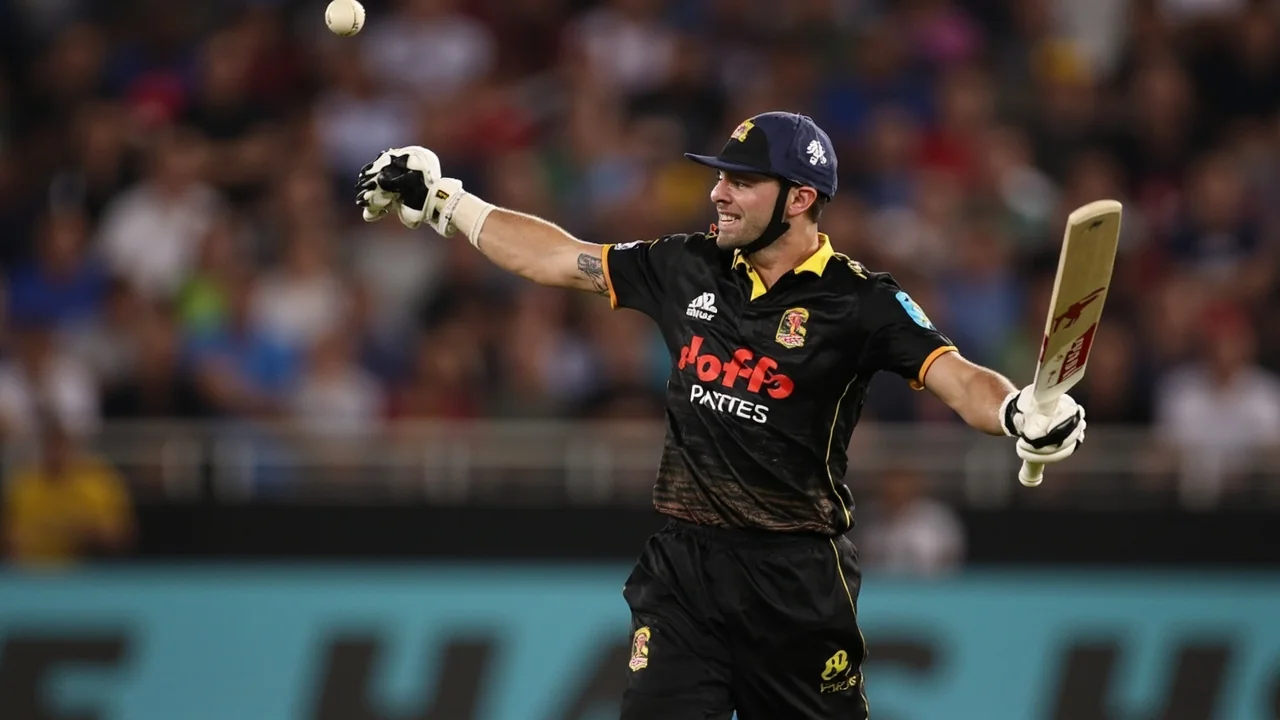
Why the toss carries extra weight at Old Trafford
The pitch assessment describes a balanced Old Trafford surface rather than a simple batting strip. Fast bowlers may find swing, seam movement and bounce, particularly while the ball is new and cloud sits above the ground. Batters who survive that early examination should have opportunities once the ball loses hardness, but the first 20 balls could determine whether either innings begins with control or repair work.
A par range of roughly 145 to 155 is suggested for The Hundred at the venue. A total above 165 would represent a stronger position, although the source report notes that such a score may still favour a chasing side. The practical reading is not that 165 guarantees anything; it is that conditions and interruption risk can make a known target valuable. If rain reduces the game, clarity about the required rate becomes more important and batting resources can be used with less concern for a full 100-ball innings.
The captain winning the toss must therefore weigh two competing factors. Bowling first exposes the opposition to the freshest surface and the heaviest cloud. Batting first protects against the pressure of a revised chase if showers arrive. A final decision should depend on the sky, the moisture visible during warm-ups and whether the pitch feels firm or tacky when the captains inspect it.
Manchester weather: short interruptions remain possible
The Manchester forecast in the source report puts temperatures between 18°C and 21°C, with cloud cover around 70–80 percent and humidity close to 70 percent. A moderate breeze is expected. The estimated rain chance sits between 35 and 45 percent, creating the possibility of short stoppages rather than establishing that the match will be washed out.
Those numbers matter in two separate ways. Humidity and cloud can help swing bowlers while the ball is new, especially if the ground staff have kept the square covered. Rain breaks can then alter rhythm even when very few balls are lost. A batter who has established timing may have to begin again after a delay, and a bowler whose spell was building pressure may return with a different ball condition.
Supporters following the contest should wait for official match communication before drawing conclusions from a passing shower. Manchester weather can change within a narrow window, and a 35–45 percent rain probability does not confirm either a delay or a shortened match. The first useful updates will be the ground inspection, toss timing and confirmed XI announcements. Those signals are more dependable than speculation several hours before play.
The Buttler-Woakes exchange can set Manchester’s innings
Buttler enters the fixture with 226 runs from five innings in the season and three half-centuries. That makes him Manchester’s clearest current batting reference. His task is complicated by the likely new-ball spell from Woakes, whose ability to shape the ball in English conditions suits the forecast.
Buttler does not need to win that duel in a single over. Manchester’s best outcome may be a controlled start that denies Welsh Fire an early opening into Klaasen and the middle order. If Buttler gets through the moving ball and reaches the phase when the bowlers must change pace, the expected scoring range can shift quickly. If Woakes removes him early, Welsh Fire can use Jansen’s angle and Ferguson’s pace against batters arriving before they intended.
Markram and Seifert are equally important to that calculation. A functional opening partnership would allow Buttler to choose his matchups rather than manufacture momentum alone. With three defeats behind Manchester, the temptation to force the powerplay could be high. Old Trafford’s predicted movement makes shot selection more valuable than urgency during the opening set.
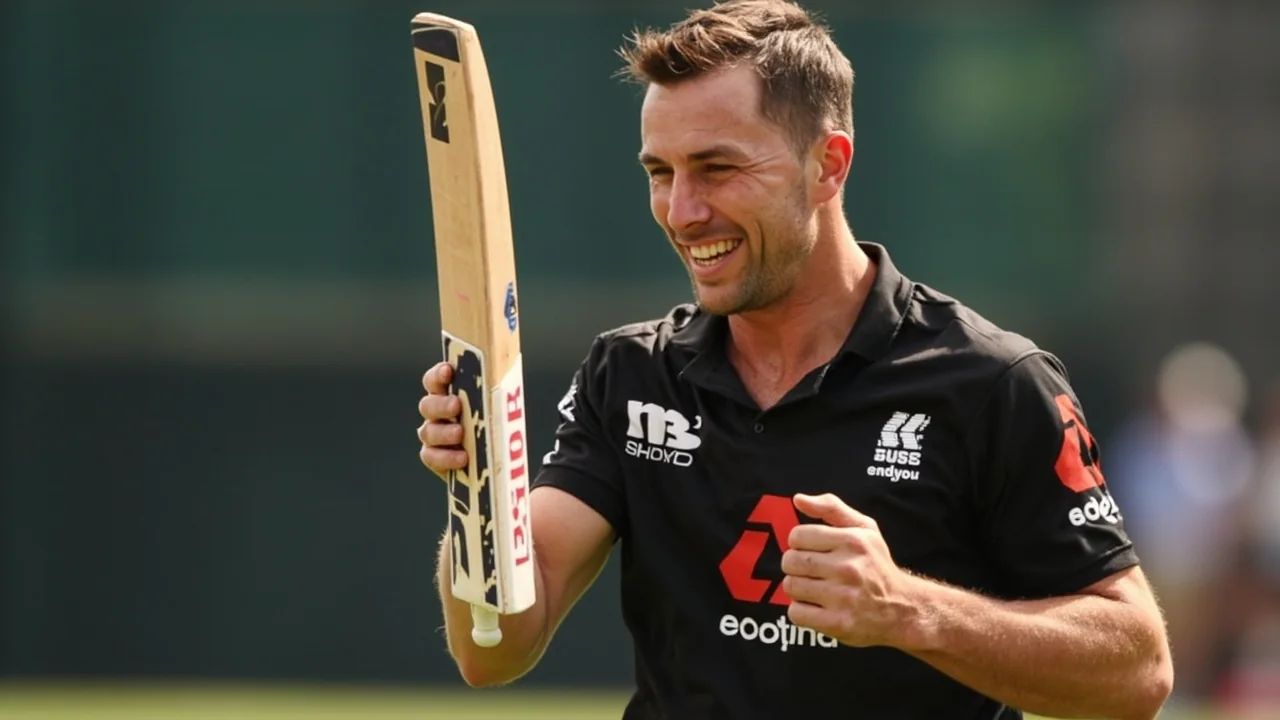
Welsh Fire’s balance extends beyond their top order
Salt, Short, Root and Ravindra give Welsh Fire four different batting methods at the front of the innings. Salt can drive the pace immediately, Short adds another aggressive option, Root can manage a difficult surface and Ravindra offers left-handed variety. Jordan Cox, Ben Kellaway and Asa Tribe extend the order before the specialist seamers.
That structure has helped Welsh Fire win four of five matches. It also gives them room to respond if Old Trafford behaves differently from the forecast. Root can absorb movement; Salt and Short can attack if the surface is true; Ravindra can help bridge the innings and contribute a bowling option if required. The strength is not just individual form but the number of combinations available to the captain.
Matthew Short’s availability is a relevant point after a minor fitness niggle. The source report says he has recovered, while Manchester have no reported injury concerns. Those are the latest supplied availability notes, not substitutes for the confirmed team sheets. A late warm-up issue or tactical change would only become reliable once announced by the teams.
Manchester’s full squad and selection alternatives
The Manchester squad listed for the fixture is Aiden Markram, Max Holden, Leus du Plooy, Tawanda Muyeye, Jos Buttler, Heinrich Klaasen, Tim Seifert, Tom Moores, Paul Walter, James Sales, Liam Dawson, Noor Ahmad, Tom Hartley, Gus Atkinson, Josh Tongue, Sonny Baker, George Scrimshaw and Adam Finch. With no injury concern reported, the selectors retain alternatives across the top order, spin department and seam attack.
The choice between Noor Ahmad and Tom Hartley, or the decision to carry both kinds of spin, depends on how the surface is expected to age. Cloud points toward pace at the start, but Old Trafford can still reward bowlers who change speed once the ball becomes softer. Dawson’s all-round value makes him a useful balancing selection because he can support the batting and offer control without forcing Manchester to sacrifice a specialist.
Welsh Fire’s listed squad is Phil Salt, Joe Root, Matthew Short, Asa Tribe, Jordan Cox, Tom Kohler-Cadmore, Rachin Ravindra, Ben Kellaway, Marco Jansen, Jordan Clark, Chris Woakes, Jafer Chohan, Lockie Ferguson, Sam Cook, Thomas Aspinwall and Dillion Pennington. Their principal decision is how much pace to carry alongside batting depth and any spin variation.
Head-to-head record and what it does not settle
The teams have met five times in the competition, with Welsh Fire winning three and Manchester winning two. It is a narrow historical edge rather than a decisive predictor. Current form gives Welsh Fire the stronger immediate case: four victories in five against Manchester’s run of three defeats.
Neither figure settles a 100-ball match in uncertain weather. Short formats compress the effect of one lost set, one dropped chance or one rain revision. The head-to-head record helps describe the relationship between the teams, but the opening movement, confirmed selections and interruption pattern carry more weight for this specific fixture.
Manchester’s route back into form is visible. Their top four must keep enough wickets for the middle phase, the pace attack must use the cloud without overpitching, and the spinners must control the period when Welsh Fire’s adaptable middle order tries to move. Welsh Fire’s route is to make Manchester play from behind: challenge Buttler early, preserve seam options for Klaasen and avoid allowing the home side a clean final 20 balls.
Broadcast details for India and the United Kingdom
Indian coverage is listed on the Star Sports Network and JioHotstar. In the United Kingdom, the source report lists Sky Sports and BBC coverage, with selected matches available through the BBC’s television, iPlayer or Sounds services. Availability can vary by match and territory, so viewers should confirm the relevant schedule on their local service before the toss.
For rolling score, toss, playing XI, injury and weather updates, follow the latest live cricket match briefings. The confirmed team sheets are the next decisive piece of information because every XI above remains a prediction until the captains complete the toss.
The final checks before first ball
Three updates will clarify the contest. First, the toss will reveal whether either captain values early bowling conditions more than protection against a rain-adjusted chase. Second, the confirmed XIs will show how Manchester divide their bowling places and whether Welsh Fire retain their projected seam-heavy attack. Third, the ground report will indicate whether the expected cloud has produced visible moisture or movement during warm-ups.
Until those checks arrive, the most defensible preview is straightforward: Welsh Fire bring the stronger form and deeper seam flexibility, while Manchester carry elite batting power and home conditions that can quickly reward disciplined pace bowling. The fixture starts with Welsh Fire ahead on results, not with the outcome decided. Old Trafford’s new-ball phase offers Manchester the quickest route to changing that balance.
Reporting basis: Cricket Addictor’s match preview published 5 August 2026. Predicted teams, pitch range and forecast percentages are attributed to that report; final selections and match status require official confirmation.